July 29, 2024 | by Kevin Lu |

As the sun rises higher and the days grow longer, many seek out activities to enjoy the warmth and beauty that summer brings. It’s a season of outdoor adventures: from relaxing beach days to exhilarating hiking trails, people find various ways to make the most of this exciting time. However, in the midst of the joy and excitement that summer brings, a crucial aspect is often overlooked: protecting our skin.
The Risks of Sun Exposure
Although the sun on your skin might feel refreshing at first, prolonged exposure can have numerous detrimental effects, both in the short term and long term. The sun damages our skin through ultraviolet (UV) rays, which over time, affect both the outer and deeper layers of the skin.
The short-term effects of excessive sunlight exposure are primarily caused by UVB rays, a specific type of ultraviolet radiation emitted by the sun. These rays damage the outer layer of the skin (epidermis), leading to painful conditions such as sunburns and heat rashes. If not properly treated, these conditions can escalate to more serious issues, such as infections.
On the other hand, the long-term effects of excessive sunlight exposure are caused by both UVB rays and UVA rays, another type of ultraviolet radiation emitted by the sun. Overexposure to UVB rays directly damages the skin’s DNA. In severe cases, this can lead to mutations in the skin cells, creating different types of skin cancers. Unlike UVB rays, UVA rays penetrate deeper into the skin (dermis), bypassing the outer layer. This deeper penetration affects the collagen and elastin fibers, which are crucial for skin structure and elasticity, leading to aging and hyperpigmentation. Overexposure to UVA rays also affects the immune system by reducing its ability to fight off infections and repair damaged cells, increasing the risk of skin infections and the development of skin cancers.
How Sunscreen Helps
Now, with all these dangers, going outside may seem daunting and scarier than before. However, you don’t need to let fear keep you indoors. Sunscreen provides a powerful shield against these harmful effects, making a safe environment for your skin easily attainable.
Effective sunscreens offer protection against both UVA and UVB rays through broad-spectrum protection. Organic (carbon-based) compounds such as oxybenzone, avobenzone, and octinoxate absorb UV radiation from the sun. These compounds then turn the absorbed UV radiation into heat, preventing it from damaging the skin.
Sunscreens also contain inorganic (mineral) compounds like zinc oxide and titanium dioxide. These compounds act as physical blockers, reflecting and scattering UV radiation away from the skin. They form a protective barrier on the surface of the skin that prevents UV rays from penetrating through.
What to Look For in a Sunscreen
With such a vast variety of brands, picking which sunscreen to use can be difficult. Here are some tips to help you make the right choice for your body and skin type.
A key part in the selection of your sunscreen is making sure the sunscreen is really protecting your skin. This is where the Sun Protection Factor (SPF rating) comes in. The SPF number on a bottle indicates how effectively the sunscreen blocks the sun’s UVB rays from your skin. The higher the SPF rating, the better the protection. For example, an SPF 30 sunscreen allows you to stay in the sun 30 times longer without burning compared to wearing no sunscreen. Though, it is important to know that no matter how high the SPF of a sunscreen, it cannot block 100% of UVB rays. This is why it is important to reapply sunscreen every 2 hours.
Another factor you should take into account when selecting the right sunscreen is its texture. Wearing sunscreen for extended periods can become uncomfortable or irritating if the texture isn’t suitable for your skin type. Understanding your skin type will help you choose a sunscreen that feels pleasant throughout the day, ensuring effective and comfortable protection.
Oily Skin
Ingredients to Look For:
- Niacinamide (Vitamin B3): Helps to regulate oil production with anti-inflammatory properties. Great for acne-prone skin.
- Silica: Absorbs excess oils from the skin. Gives the skin a less glossy appearance.
- Salicylic Acid: Exfoliates the skin by breaking dead skin cells apart and and keeps your pores clear. It also regulates the production of sebum (natural skin oil), making it great for oily skin.
- Octinoxate: Mixes with the oil-based components in the sunscreen (oil-soluble) and evaporates to give a lightweight, grease free feel.
Avoid:
- Heavy oils like mineral oil and coconut oil
- Denatured Alcohols
- Fragrances and Dyes: Irritate the skin and increase oil production in the skin
With oily skin you should be looking for a lightweight sunscreen. Anything too thick or pasty will trap oil on the skin, leading to more acne.
Dry Skin
Ingredients to Look For:
- Hyaluronic Acid: Helps to keep the skin hydrated by retaining moisture in the skin.
- Glycerin: Attracts water to the skin and increases water content in the outer most layer of the skin.
- Panthenol (Vitamin B5): Similar to Glycerin, Panthenol attracts and retains water on the skin, keeping it moisturized.
Avoid:
- Benzoyl Peroxide: While it is good for acne, it takes away moisture from the skin.
- Sodium Lauryl Sulfate (SLS): Can be drying and irritating for people with dry skin.
- Parabens like Methylparaben, Propylparaben, and Butylparaben may cause allergic reactions and irritation.
If you have dry skin you will want to look for lotions and oil-based sunscreens as they will provide moisture for dehydrated skin.
Sensitive Skin
Ingredients to Look For:
- Soothing Agents like Aloe Vera, Green Tea Extract, and Chamomile Extract. Makes sure your skin doesn’t get itchy or inflamed throughout the day.
- Physical (Mineral) UV Filters: Zinc Oxide and Titanium Dioxide are examples of Physical UV Filters that keep the skin protected without the risk of irritation.
- Ceramides: Help build a stronger skin barrier that resists harmful substances and reduces irritation.
Avoid:
- Chemical UV Filters: Some chemical filters like oxybenzone, octinoxate, and avobenzone can cause irritation in sensitive skin.
- Alcohol: Will dry and irritate the skin.
- Methylisothiazolinone (MIT) and Methylchloroisothiazolinone (MCI): Preservatives known to cause irritation and allergic reactions on sensitive skin.
If you have sensitive skin, look for mineral-based sunscreens that are fragrance-free, hypoallergenic, and dermatologist-tested to ensure gentle yet comprehensive sun protection.
What Should I Pick?
If you are having trouble deciding what sunscreen to get, here are a few of my personal preferences for each skin type.
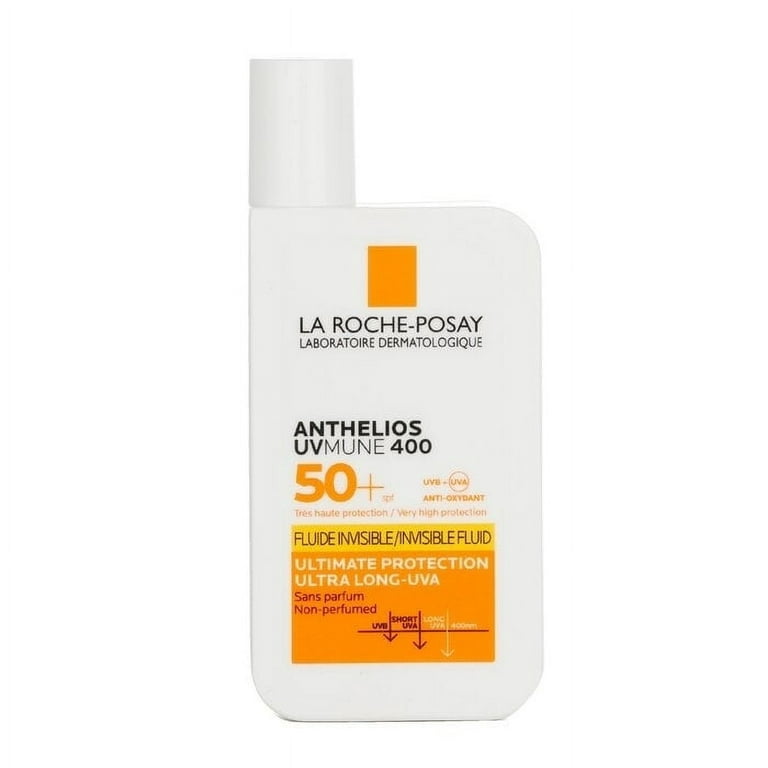
For Oily Skin:
- La Roche-Posay Anthelios UVMUNE 400 SPF50+: Uses silica and perlite to absorb extra oil on the skin while providing very strong protection.
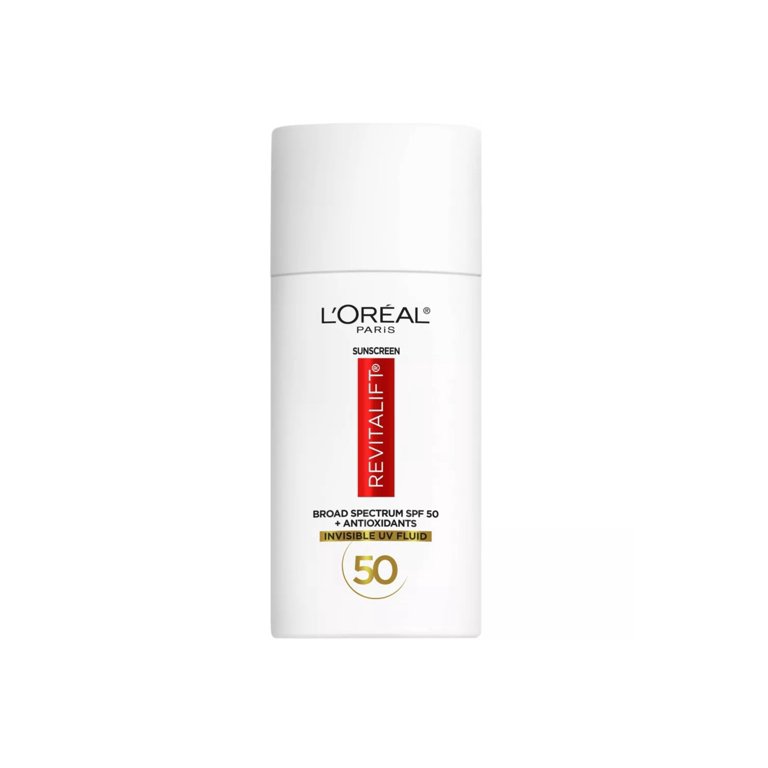
For Dry Skin:
- Loreal Paris Revitalift Clinical SPF50+ Daily High UV Protection: Has Pro-Vitamin B5 (Panthenol), Glycerin, and Hyaluronic Acid to keep skin moisturized and protected throughout the day.
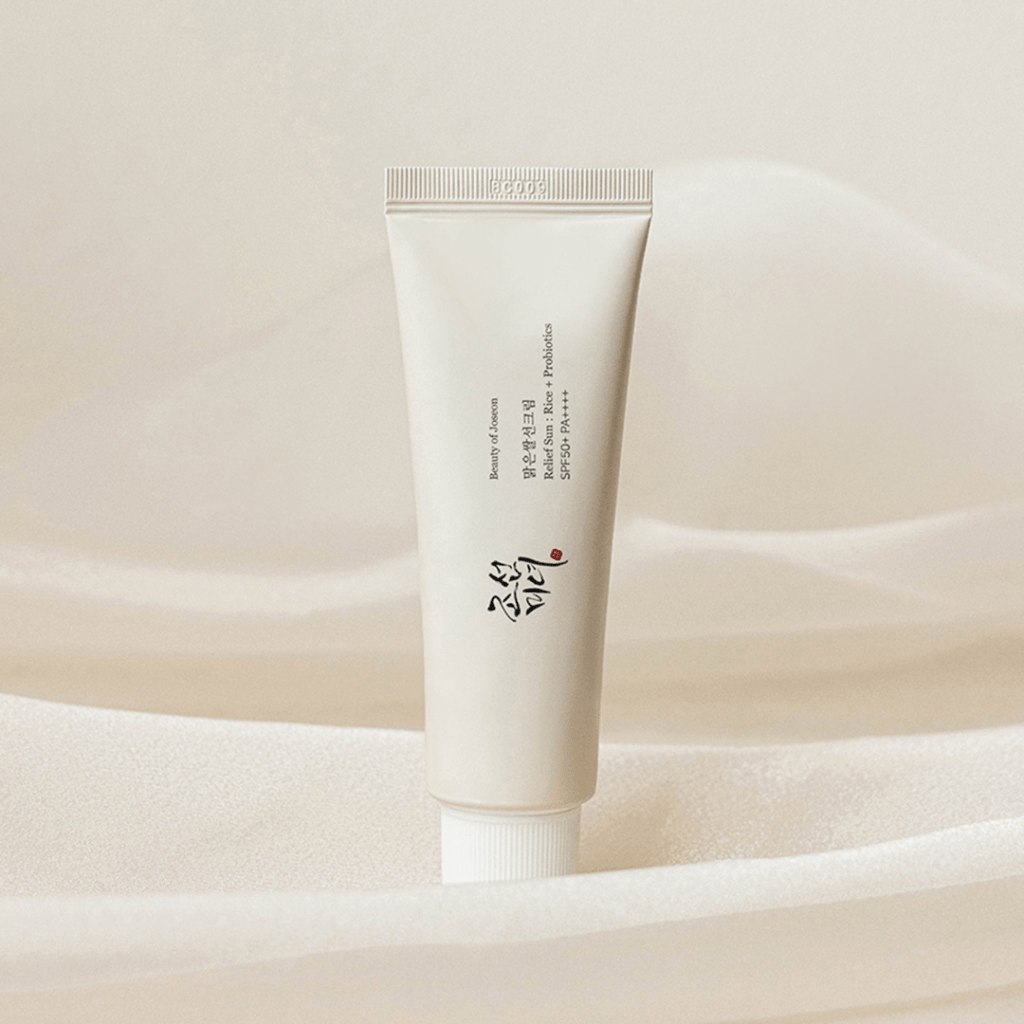
For Sensitive Skin:
- Beauty of Joseon Rice Probiotics Sunscreen SPF 50+ PA++++: Contains Hyaluronic Acid and Rice Extract to hydrate and soothe the skin. It has probiotics to keep the skin healthy and protected.
Conclusion
Incorporating the right sunscreen into your daily routine is crucial for maintaining your health as you enjoy the outdoors. By choosing a product with the right ingredients for your skin type, you can enjoy effective protection without unwanted side effects.
However, individual skin needs can vary, and it’s always a good idea to consult with a dermatologist or skincare professional. They can provide personalized recommendations based on your specific skin type and concerns, ensuring you choose the best sunscreen for your needs.
Health Disclaimer: The information in this blog is for general purposes only and is not medical advice. Individual skin types vary, so consult a dermatologist before starting any new skincare regimen, including sunscreens. I do not endorse any products or ingredients mentioned and am not responsible for any adverse effects. Always perform a patch test before using a new product and follow the manufacturer’s instructions.
Designed with WordPress

 Living Life Healthy
Leave a comment